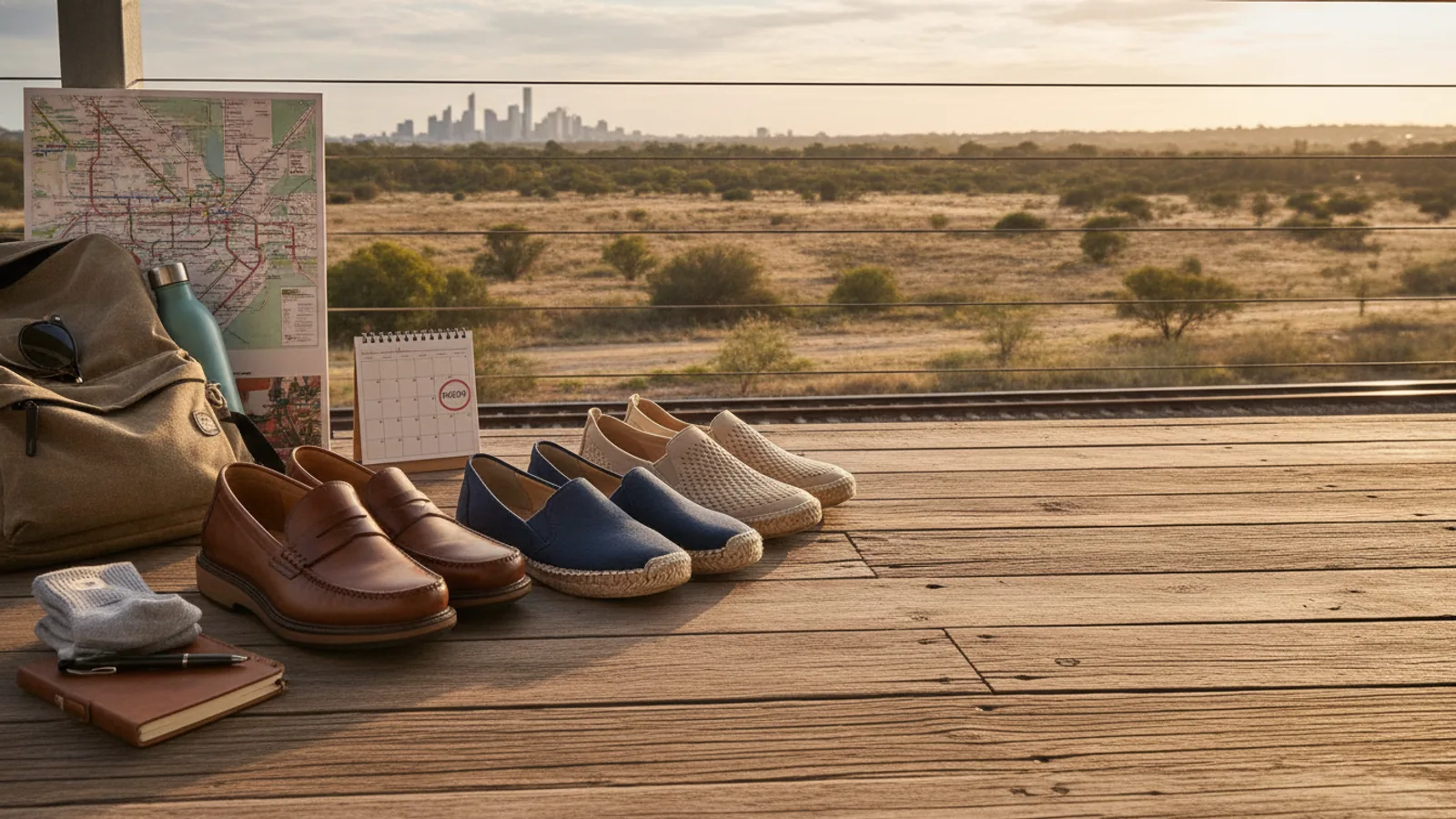
What To Check Before Packing Shoes For A Short Coastal Trip
A practical step-by-step guide to what to check before packing shoes for a short coastal trip, including preparation, instructions, common issues, tips, and next steps.
What To Check Before Packing Shoes For A Short Coastal Trip
Before packing shoes for a short coastal trip, you need to consider the terrain, weather, and activities you'll encounter. This guide walks you through essential checks—from sole condition and waterproofing to fit and versatility—so you pack the right pairs, stay comfortable, and avoid blisters or slips. By following these steps, you'll be prepared for sandy walks, wet docks, and casual evenings without overpacking.
Fast Answer
- Check the tread and sole for wear to avoid slips on wet surfaces, and confirm the shoes are waterproof or quick-drying if you'll be near water.
- Verify the fit with the socks you plan to wear, and choose versatile shoes that can handle both walking and casual dining.
Before You Start
- Lay out all the shoes you're considering and imagine each day's planned activities: beach walks, rocky trails, or seaside restaurants.
- Check the weather forecast for your trip dates, including chance of rain, wind, and temperature, to decide between waterproof and breathable options.
- Inspect each pair for existing damage like loose stitching, cracked soles, or worn heels that could worsen with wet and sandy conditions.
- Gather the socks you'll actually wear—thin liners, thick wool, or water-friendly—to test the fit as it will be on your feet.
Step-by-Step Instructions
Examine the Tread and Sole Condition
Start by turning each shoe upside down and inspecting the tread pattern and sole material. On a coastal trip, you'll likely walk on wet sand, mossy rocks, wooden boardwalks, and possibly slippery boat decks. The tread needs deep, distinct lugs or patterns that can channel water and provide grip. Press your thumb into the sole; if it feels hard or brittle, it has lost flexibility and won't grip well. Check the wear pattern: if the heel or toe is smooth or worn down, you increase your risk of slipping. Also look for embedded stones or debris that could puncture the sole. For shoes you plan to wear in water, ensure the outsole is made of a non-slip rubber compound, not smooth plastic. If the tread is shallow or worn, consider replacing the shoes or choosing another pair for the trip. Remember that even the best shoes become unsafe if the tread is compromised.
Test Waterproofing or Quick-Dry Ability
For a coastal trip, you need shoes that can handle splashes, puddles, and maybe a sudden rain shower. Determine whether your shoes are waterproof, water-resistant, or quick-drying. Waterproof shoes have a membrane like Gore-Tex or a rubber shell that keeps water out, but they can be hot and slow to dry inside. Water-resistant shoes may repel light moisture but not full immersion. Quick-drying shoes use synthetic mesh or knit uppers that shed water and dry fast, but they won't keep your feet dry if you step in a deep puddle. To test this, sprinkle a few drops of water on the upper and watch if they bead up or soak in. If the shoes have a leather or suede upper, they are not waterproof unless treated; you'll need a waterproofing spray. Also check the seams and stitching; these are common leak points. For short coastal trips, quick-dry shoes are often more practical because you can rinse them and they'll be ready next day. Keep in mind that waterproof boots trap sweat, so consider your day's activity.
Verify the Fit with Intended Socks
You must try on every pair of shoes with the exact socks you plan to wear during the trip. Feet can swell slightly during a day of walking, so fit should have a thumb's width from your longest toe to the shoe's end, and the heel should not slip. Walk around a bit on a hard surface to feel for pressure points—especially on the sides of the foot or the Achilles tendon. If your heel lifts more than a quarter of an inch, the shoe is too big and will cause blisters. If your toes hit the front when you go downhill, the shoe is too small. Also, check the width: your foot should not spill over the sole. For coastal activities, you might wear thinner no-show socks, thicker wool socks for hiking, or neoprene aqua socks. Each has different thickness, so test accordingly. Remember that a shoe that fits perfectly with thin socks may become uncomfortable with thick ones. If you have any doubt, choose a half size up for adjustment.
Assess the Versatility for Multiple Scenes
A short coastal trip often involves a range of environments: walking on sand, strolling along a promenade, climbing rocks, and then sitting down for a fish dinner. To save luggage space, you need shoes that can transition from activity to casual dining without looking out of place. Consider the color and style: neutral tones like navy, tan, or gray work with most outfits. A lightweight sneaker in a solid color can handle a nature walk and still look acceptable at a casual restaurant. If you plan on more formal dining, you might need a pair of boat shoes or loafers with a non-slip sole. Avoid bright neon colors or heavily branded athletic shoes that clash with evening wear. Also consider the strap or lace system: easily adjustable laces or a hook-and-loop closure can loosen when your feet swell or when you remove sand. A versatile shoe is one you can wear for 8 hours without needing to change for comfort or social appropriateness.
Check Ankle Support and Stability Features
Coastal paths can include uneven rocks, driftwood, and slippery seaweed, so ankle support is crucial to prevent twists. Look for shoes that come up around the ankle, like a mid-top hiker, or have a firm heel counter that locks your foot in place. Bend the shoe in half; if it folds very easily at the arch, it lacks torsional rigidity, which is important for rocky terrain. The sole should be moderately stiff; you should not be able to twist it like a rag. Also check the lacing system: eyelets that allow you to lock the heel with a lace lock (as with many trail shoes) provide extra security. If you have weak ankles, consider high-top sneakers or low-cut hiking boots. For water-based activities, water shoes with a drawstring around the ankle offer minimal support, so reserve them for soft sand only. Remember to test walking on a slope and sideways to ensure the shoe doesn't roll.
Evaluate Breathability and Drainage
Your feet will sweat more in warm, humid coastal air, and if you step in water, you want shoes that can drain water quickly and allow airflow to let them dry. Instead of waiting for your shoes to dry from the inside out, you want mesh uppers, drainage ports, or a fully open design like sandals. Hold the shoe up to a light source and see if light penetrates the fabric; if it does, air can pass. If you have waterproof boots, they will not drain water, so once they get wet inside, they may stay wet for hours. Look for shoes with a breathable lining like a thin mesh, not a thick foam that absorbs water. If your shoes have a removable insole, take it out and check the holes underneath; they should be open to allow water to escape. For sandy conditions, a shoe with a closed-cell insole prevents water from sloshing around. After a day of walking, you can rinse them with fresh water and let them air dry, so they're ready for the next morning.
Quick Reference
| Situation | Action | Why it helps |
|---|---|---|
| You're walking on wet, mossy rocks at the shore. | Wear shoes with deep, multidirectional lugs and a rubber outsole that you've verified by dragging your hand across the tread to feel the grip. | Deep lugs channel water away from the contact area, and rubber adds friction, reducing the risk of slipping on smooth stones. |
| It's a sunny day and you'll be on the sandy beach most of the time. | Choose open water shoes or sandals with secure straps that we can easily rinse of sand and salt, and that allow water to drain out. | Sand can abrade your feet and cause blisters, while open designs let water and sand escape, and you can wade with them safely. |
| You have an evening dinner at a casual seaside restaurant after a day of walking. | Pack a pair of neutral-colored leather boat shoes or clean, solid-color sneakers that have a comfortable insole and look neat with your outfit. | These shoes transition from day activities to dinner because their classic style fits casual dress codes, and leather is durable yet easy to clean. |
Common Issues
- Shoes develop a musty odor from trapped moisture and salt.: Rinse your shoes with fresh water as soon as you leave the beach, then stuff them with newspaper or a towel to absorb excess moisture. Place them in a shaded, well-ventilated area to dry completely for 24 hours. If the odor persists, sprinkle baking soda inside and let it sit overnight before shaking it out. Never machine wash delicate shoes, as that can damage adhesives.
- Slipping on wet wooden boardwalks or boat decks.: Choose shoes with a specialized non-slip sole, often made of rubber with siping (tiny groves) that channel water away. If you're already on the trip, apply a commercially available adhesive tread pad to the bottom of smooth-soled shoes. Also, walk with a slightly bent knee and test the surface with one foot before full weight comes down.
- Blisters from sand accumulated inside closed-toe shoes.: After any sandy activity, take off your shoes and shake them out, then rinse your feet and apply a blister-prevention balm like petroleum jelly on friction-prone areas. Alternatively, wear thin merino wool socks that repel sand and wick moisture. If you feel a hot spot, stop immediately and apply a blister dressing to protect the area.
Advanced Tips
- If your trip includes both hiking on rocky trails and swimming, consider a pair of amphibious trail shoes that have a quick-drying mesh upper and drainage ports, plus a sticky rubber outsole that grips both wet rocks and sandy paths.
- After each day, soak your shoes in a solution of white vinegar and water (1 part vinegar to 3 parts water) to break down salt crystals and neutralize odors, then rinse thoroughly and let them air dry away from direct sunlight.
- To keep sand out of lace-up shoes, tuck the laces inside a pocket or use a lace-lock system, and opt for shoes with a gusseted tongue that is attached to the upper, preventing debris from entering from the top.
Final Checklist
- Verify that the tread on each pair has enough depth to grip wet surfaces and that the sole is not cracked or overly worn.
- Test the fit with your intended socks, ensuring there is a thumb's width of space and no heel slippage.
- Confirm that the shoes are appropriate for the full range of planned activities, from beach walks to dining, and that they have sufficient water resistance or drainage.
- Inspect all closures—laces, straps, or zippers—to ensure they are in working order and can be adjusted if your feet swell.
- Have a plan to rinse and dry shoes after each use, using fresh water and air drying away from heat sources.
FAQ
How do I know if my shoes are waterproof enough for a coastal trip?
Test them by sprinkling water on the outside. If the water beads and rolls off, they're treated or have a membrane. If it soaks in, you'll need a waterproofing spray or to wear them only in dry conditions. Also, check the seams and the tongue area; these are common leak points. Even waterproof shoes can only handle shallow splashes; if you plan to wade, consider water shoes or sandals.
What type of shoes is best for walking on wet sand and rocky ground?
For wet sand and rocks, choose a shoe with a firm, gripping outsole made of rubber with deep lugs. A low-cut hiking shoe or trail runner with a stable heel and good torsional rigidity is ideal. Your foot should be snug but not cramped. If you prefer open shoes, look for water sandals with closed-toe and a heavy grip sole; these drain water and sand quickly, but they offer less ankle support. For rocky terrain, a closed-toe shoe with a protective toe cap is safer.
Can I pack only one pair of shoes for a short coastal trip?
Yes, but it's tough. You would need a versatile pair that works for walking, water, and casual dining. A pair of amphibious shoes that look like sneakers can handle wet trails and dry quickly. However, you might want a second pair for evenings, especially if the first gets wet. If you're flying or carrying a small bag, you can pick an all-in-one pair and wear it the whole time, but be prepared to rinse and dry it nightly. For comfort, having a different pair to switch to can prevent blisters.