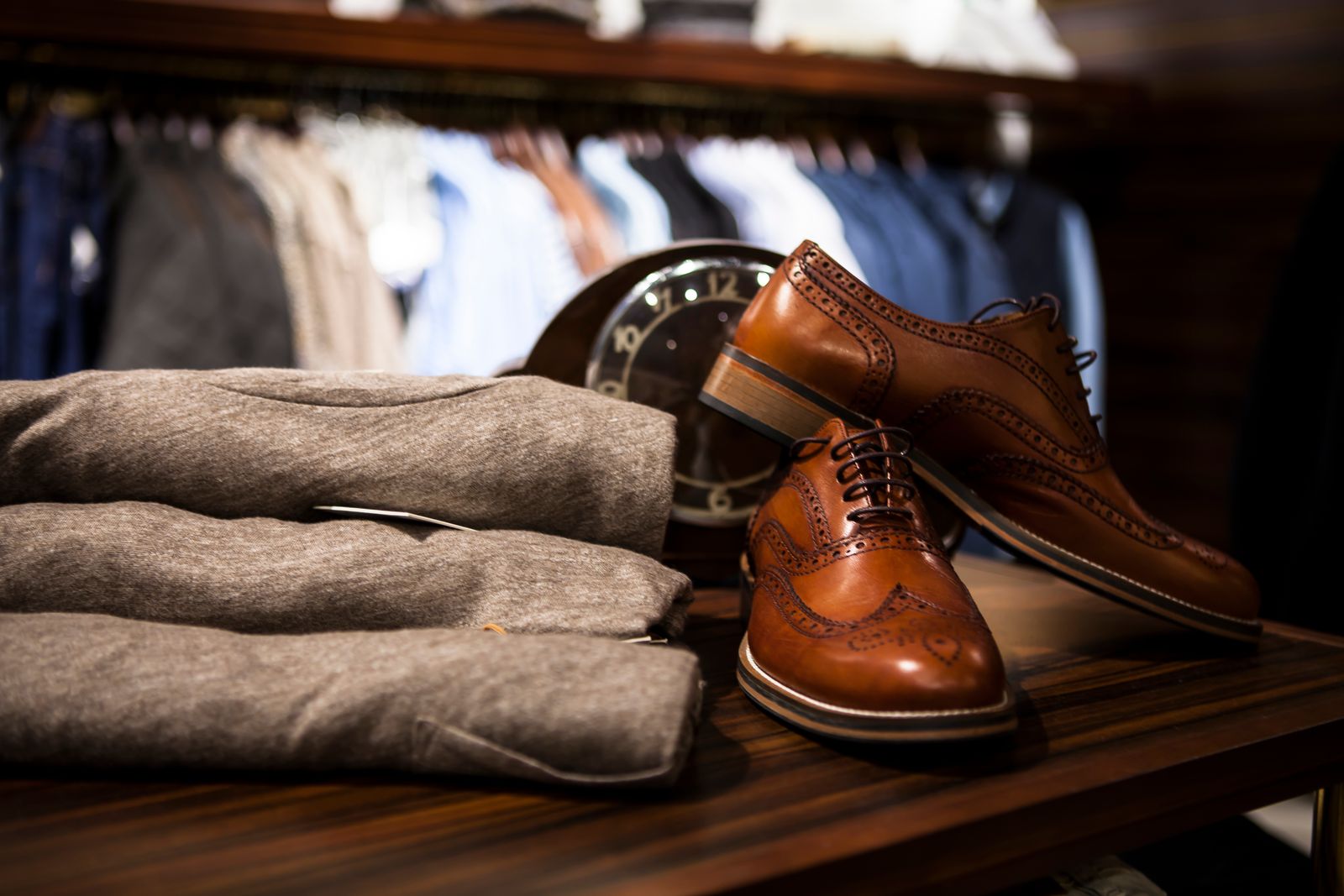
The useful answer usually lives in the details: where you will wear it, what it needs to carry and the part of the day it must make easier.
Start with the routine, not the category.
A good purchase belongs to a specific rhythm. It needs to make sense with the distances you walk, the weather you meet and the pieces already in your wardrobe. That is more helpful than starting with a broad trend label.
For footwear, pay attention to the materials against the foot, the room at the toe and how the heel behaves once you have been moving for more than ten minutes. For bags and accessories, ask whether the useful part is still useful once the day gets busy.
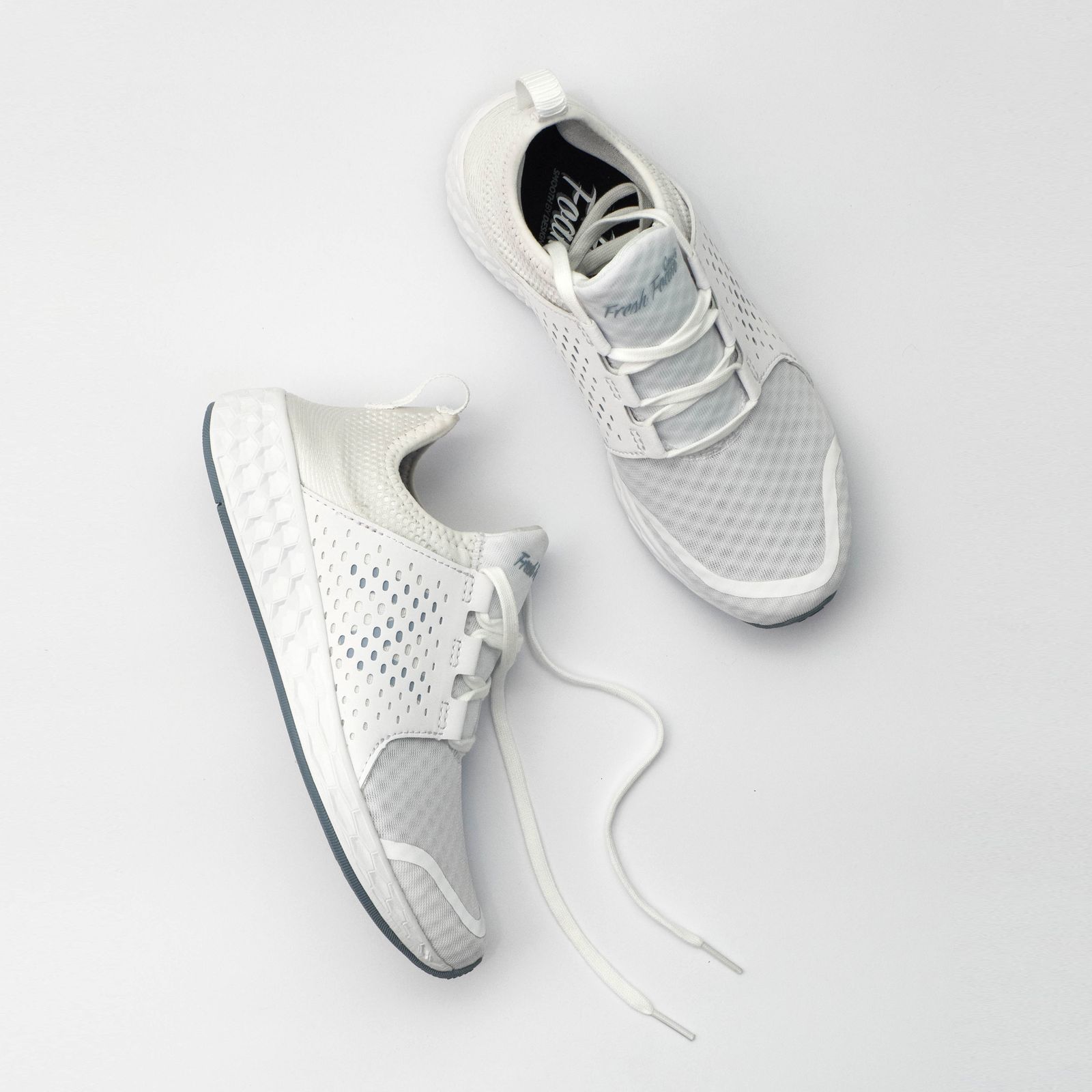
Keep the comparison short and honest.
We look for the practical trade-off: support versus weight, polish versus repairability, capacity versus comfort. A single clear limitation is more useful than a long list of features that will never change your decision.
What to remember.
- Choose for the longest ordinary day, not the most flattering mirror moment.
- Use return terms and care information before the checkout page.
- Keep a small rotation with distinct jobs rather than collecting near-duplicates.